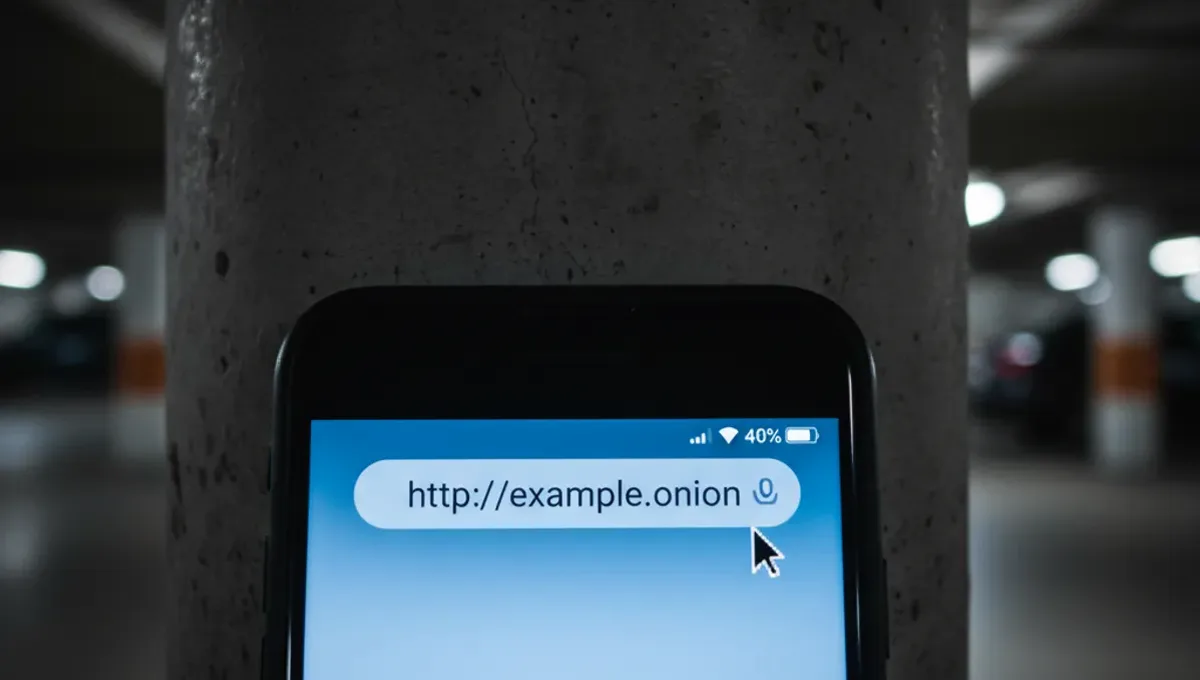
What Are Tor Sites Links and How They Differ from Regular URLs
A tor sites link is an onion address, a special URL that ends in .onion instead of .com or .org. These addresses are generated by the Tor network itself and are designed to hide the physical location of the server. Unlike regular websites, tor website links do not resolve through standard DNS; they only work inside the Tor Browser or through a Tor proxy.
Onion addresses are long and random-looking, typically 56 characters in the current version (v3 addresses). This length is intentional: it makes the address harder to guess or forge. When you see a tor links url, you are looking at a cryptographic identifier, not a human-readable domain. This is why bookmarking and verifying tor sites links is more critical than it is for ordinary websites. A single character wrong means you land on a different server entirely, often controlled by someone else.
Why Phishing Clones and Dead Mirrors Plague Tor Links
The tor link ecosystem has a trust problem. Because onion addresses are hard to remember and verify, attackers create fake mirrors and phishing clones that look identical to the real site. A user searching for tor sites 2025 might find a clone that steals their login credentials or injects malware. Dead mirrors also persist: old tor website links that no longer work but still appear in search results and link collections.
The Tor Project documentation notes that there is no central registry of onion services, so no single authoritative list of tor sites links exists. This means that any directory or list of tor links site is maintained by a third party and can become outdated or compromised. Scammers exploit this by creating directories that look official but actually point to their own phishing sites. This is why verifying the source of a tor links url is as important as verifying the address itself.
How to Verify a Tor Sites Link Before You Visit
Verification starts with the source. Legitimate tor site links should come from one of these places:
- The official project website, accessed directly over Tor or via a PGP-signed announcement
- A PGP-signed statement from the project operator, published on multiple independent channels
- A link shared in a community forum or subreddit where the operator has a verified history and reputation
- The Useful Resources page of this site, which curates verified onion addresses
Once you have a tor links url, check it character by character. Copy and paste it into the Tor Browser address bar rather than typing it manually. Look for the green onion icon in the address bar, which indicates a valid v3 onion address. If the site loads but the icon is missing or red, do not log in or enter sensitive information. Visit the site's official social media or communication channel to confirm the address is current.
Understanding Top Tor Sites and Why Reputation Matters
When people search for top tor sites or best tor sites for books, they are usually looking for services with a track record of reliability and security. Reputation in the tor ecosystem is built slowly and verified through multiple channels. A legitimate service typically announces itself through PGP-signed messages, maintains consistent communication with users, and operates transparently about its technical infrastructure.
Best tor sites reddit discussions often reveal which services have survived long enough to build trust. However, Reddit threads can also be infiltrated by scammers promoting clones. The key difference is that legitimate projects respond to security concerns, publish incident reports, and maintain their tor website links consistently. Services that frequently change their tor sites links or disappear without explanation are red flags. Reputation is not a guarantee of safety, but it is a useful signal when combined with technical verification.
Reality Layer: How the Tor Link Ecosystem Actually Works
The Tor Project documentation confirms that onion services are decentralized and unregulated, which means there is no central authority to verify legitimacy. This creates an environment where scams, law-enforcement takedowns, and exit scams all coexist. Court records from past darknet market seizures show that even well-known services can be compromised or shut down without warning, leaving users with dead tor sites links and no recourse.
Security-vendor incident reports consistently document that phishing clones of popular tor websites link are among the most effective attack vectors against Tor users. Attackers register similar-looking onion addresses or compromise mirrors and wait for users to mistype or copy an address incorrectly. Law-enforcement actions have also resulted in tor sites directory takedowns, where entire collections of tor links url were seized. For ordinary users, this means that no list of tor sites links is permanent, and verification must happen every time you visit. The ecosystem rewards users who are paranoid about verification and punishes those who assume a link is safe because they saw it before.
Building Your Own Verified Tor Links Collection
Rather than relying on a single directory, maintain your own list of tor site links from multiple verified sources. Start by identifying the official communication channels for each service you use: their PGP key, their social media account, their email address. Bookmark the tor website links only after you have verified them directly from the project operator.
Use a password manager or encrypted note-taking app to store tor sites links separately from your regular bookmarks. Include the date you verified each address and the source where you found it. When you return to a site weeks or months later, re-verify the tor links url before logging in. This practice takes time but prevents you from accidentally visiting a phishing clone. Many experienced Tor users also maintain a list of known-bad tor sites links, addresses that are confirmed scams or law-enforcement honeypots, so they can avoid them immediately.
What to Do If a Tor Sites Link Is Dead or Suspicious
If a tor website links no longer works, do not assume the service is gone. Check the project's official social media, email list, or communication forum for an announcement. Legitimate services usually notify users before they migrate to a new tor links url. If you find no announcement and the site has been offline for weeks, it may have been seized, suffered an exit scam, or been abandoned.
If a tor sites link looks suspicious, trust your instinct. Signs of a phishing clone include a slightly different onion address, a site that loads slowly or has broken images, login pages that ask for unusual information, or requests to download files immediately. Do not enter your credentials. Instead, verify the address through an independent channel: contact the project operator directly, check their official social media, or search this site's Useful Resources page. Taking an extra minute to verify is always worth the time saved by avoiding a compromise.
Frequently Asked
How do I know if a tor sites link is real or a phishing clone
Verify the address through the project's official communication channels: their PGP-signed announcement, official social media, or email list. Copy and paste the tor website links into your browser rather than typing it manually. Check that the Tor Browser shows a green onion icon. If the site looks identical to another but the onion address is different, it is likely a clone.
Where can I find a list of legitimate tor sites links
The Useful Resources page of this site curates verified onion addresses. The Tor Project website also publishes links to official onion services. Be cautious with third-party directories, as they can become outdated or compromised. Always verify a tor links url independently before you visit.
Why do tor sites links change so often
Onion services may migrate to new addresses for security reasons, to escape law-enforcement attention, or due to technical infrastructure changes. Legitimate projects announce these migrations in advance through PGP-signed messages. If a tor website links changes without warning, verify the new address through an independent channel before trusting it.
Can I use a regular search engine to find tor sites links
Regular search engines index some onion addresses, but results are often outdated, point to clones, or lead to dead mirrors. Search results for tor sites directory or best tor sites reddit may include scams. Always verify a tor links url through the project's official channels rather than relying on search results alone.
What should I do if a tor sites link I use stops working
Check the project's official social media, email list, or communication forum for an announcement about a new tor website links. If no announcement exists and the site has been offline for weeks, it may have been seized or abandoned. Do not assume a new address you find elsewhere is legitimate without verification.
Check the facts
- The Tor Project — Official Tor browser and network documentation, downloads, and research.
- Electronic Frontier Foundation — Privacy advocacy, digital rights resources, and surveillance awareness guides.
- Freedom of the Press Foundation — Journalist security tools, SecureDrop documentation, and press freedom resources.
- Internet Watch Foundation — Reports on online safety, illegal content, and internet safety awareness.
- National Institute of Standards and Technology — Cybersecurity standards, encryption guidelines, and privacy framework documentation.
- OWASP - Open Web Application Security Project — Web security best practices, vulnerability prevention, and secure coding guidelines.